Internal controls automation is revolutionizing how businesses manage their financial processes, paving the way for increased efficiency and accuracy. By streamlining internal controls, organizations can minimize errors, reduce operational risks, and enhance compliance with regulations. This innovative approach not only simplifies complex tasks but also empowers teams to focus on strategic decision-making rather than getting bogged down in manual processes.
As we delve deeper into this topic, we’ll explore the myriad benefits of automating internal controls, the essential components of successful implementation, and how this automation can be integrated with financial services to transform accounting, auditing, and personal finance management.
Internal Controls Automation Overview
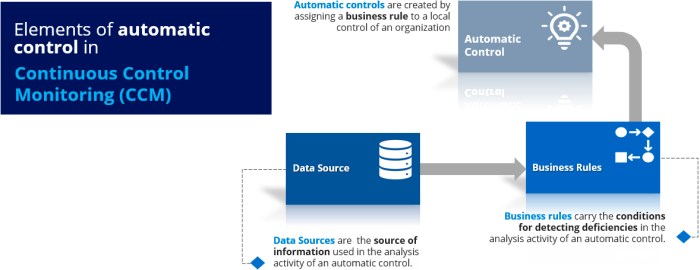
Internal controls automation involves the use of technology to enhance and streamline financial processes within organizations. By leveraging automation, businesses can ensure that their internal controls are not only effective but also efficient. This automation plays a critical role in reducing the potential for errors, fraud, and compliance issues, thereby securing financial integrity and operational efficiency.The primary benefit of automating internal controls lies in increased accuracy and consistency in financial reporting.
Automation minimizes human error and allows for real-time monitoring of transactions, thus providing immediate insights into financial health. Enhanced compliance is another significant advantage, as automation ensures that all financial processes adhere to existing regulations and standards. This minimizes the risk of non-compliance penalties and boosts stakeholder confidence.
Key Components of Implementing Internal Controls Automation
Successfully implementing internal controls automation requires a well-structured approach. Below are the essential components that contribute to an effective implementation process:
1. Assessment of Current Processes
Evaluating existing financial processes is crucial to identify inefficiencies and areas for improvement. This assessment helps in understanding which controls need automation.
2. Selection of Automation Tools
Choosing the right software and tools is vital. Organizations should consider solutions that integrate seamlessly with existing systems and cater to specific internal control needs.
3. Integration with Existing Systems
The automation tools must be compatible with current financial systems to ensure smooth data flow and minimize disruption during the transition.
4. Training and Change Management
Training staff on new systems and addressing change management are fundamental to ensure users are comfortable with the automated processes.
5. Continuous Monitoring and Improvement
Post-implementation, ongoing monitoring of automated controls is necessary to assess their effectiveness and make necessary adjustments based on evolving business needs.The process of internal controls automation is not merely about technology; it also involves strategic planning and commitment from all levels of the organization to ensure that the benefits of automation are fully realized.
Integration with Financial Services
The integration of internal controls automation with financial services is crucial for enhancing the efficiency and accuracy of accounting and auditing processes. By leveraging automation, organizations can minimize manual errors, streamline workflows, and ensure compliance with regulatory requirements. This approach not only saves time but also enhances the overall effectiveness of financial operations within an organization.
Enhancing Efficiency in Accounting and Auditing
Automated internal controls play a significant role in improving the efficiency of accounting and auditing by introducing systematic checks and balances that reduce the need for manual oversight. This results in quicker turnaround times for financial reporting and improved accuracy. The benefits of automating these processes can be summarized as follows:
- Real-Time Monitoring: Automation facilitates continuous monitoring of transactions, allowing for immediate detection of discrepancies or anomalies.
- Standardization of Processes: Automated workflows standardize accounting practices, ensuring consistency and compliance across all departments.
- Data Integrity: By automating data entry and reconciliation, organizations can reduce the risk of human error, which enhances the reliability of financial data.
- Resource Allocation: Automation frees up financial personnel to focus on strategic tasks rather than mundane data-entry activities.
Integrating Internal Controls Automation with Financial Planning Processes
Integrating internal controls automation into financial planning processes ensures that financial strategies align with compliance requirements and risk management practices. This integration can be achieved through several methods, enhancing the robustness of financial planning:
- Automated Risk Assessment: Internal controls can assess risks associated with various financial scenarios, enabling proactive adjustments to financial plans.
- Scenario Analysis: Automation allows for rapid modeling of different financial scenarios, assisting in better-informed decision-making.
- Budgeting Accuracy: Automated controls ensure that budget variances are identified and addressed promptly, leading to more accurate financial forecasts.
- Compliance Tracking: Integration with financial planning tools can help ensure that all financial initiatives adhere to regulatory requirements.
Role of Automated Internal Controls in Credit and Collections Management
Automated internal controls are essential in credit and collections management, providing significant benefits to organizations seeking to maintain healthy cash flow and reduce default risk. The following aspects highlight the importance of automation in this area:
- Credit Risk Evaluation: Automated systems can analyze customer credit data and payment histories, allowing companies to make informed credit decisions swiftly.
- Collections Optimization: Automation streamlines the collections process by scheduling reminders and generating follow-up communications based on customer behavior.
- Dispute Resolution: Automated controls can track discrepancies in payments and facilitate quicker resolutions, improving customer relationships.
- Reporting and Analytics: Automation provides real-time data analytics related to credit and collections, enabling management to identify trends and make strategic adjustments.
Impact on Personal Finance and Investing
The automation of internal controls significantly reshapes the landscape of personal finance and investing. As individuals increasingly leverage technology, understanding how these automated systems work can lead to better financial management and investment security. With robust internal controls in place, users can enjoy enhanced oversight and more efficient processes that ultimately contribute to healthier financial habits.Automated internal controls streamline personal finance management by providing timely and accurate information, thus enabling individuals to make informed decisions about their finances.
These technologies help track spending, monitor savings goals, and ensure transaction accuracy. The automation reduces human error and eliminates tedious manual processes, allowing users to focus on strategic financial planning rather than day-to-day accounting tasks.
Benefits of Internal Controls Automation in Personal Finance Management
Automated internal controls deliver several advantages that are integral to effective personal finance management. Here are some key benefits:
- Real-time Financial Monitoring: Users receive immediate updates about their financial status, allowing them to react swiftly to unexpected expenses or income changes.
- Enhanced Budgeting: Automated tools categorize and analyze spending patterns, making it easier for users to stick to budgets and achieve financial goals.
- Reduced Fraud Risk: Automation can detect anomalies in transactions, alerting users to potentially fraudulent activities immediately.
- Improved Accuracy: With automated processes, the chances of human errors that can affect financial reporting and planning are significantly minimized.
Importance of Internal Controls in Safeguarding Investments
The safeguarding of investments is critical, and automated internal controls play a vital role in protecting financial assets. Internal controls help ensure that investment transactions are executed correctly and transparently, which is essential for building trust and confidence among investors. Their importance can be highlighted through the following points:
- Transaction Integrity: Automated checks ensure that all trades and investments are executed as per the user’s instructions, reducing the risk of errors or unauthorized activities.
- Compliance Monitoring: Automated systems regularly check adherence to regulatory requirements, minimizing the risk of legal repercussions that could arise from non-compliance.
- Portfolio Performance Analysis: Internal controls allow for consistent monitoring and evaluation of investment performance, helping investors make more informed decisions about their portfolios.
Comparison of Traditional Banking Services and Automated Internal Controls
When comparing traditional banking services with automated internal controls, significant differences in security and efficiency emerge. Traditional banking often relies on manual processes that can be time-consuming and prone to errors, whereas automated systems offer streamlined operations that enhance both security and efficiency.
- Security: Automated internal controls employ advanced technology, such as encryption and machine learning algorithms, to identify and prevent fraudulent activities more effectively than traditional methods.
- Efficiency: Automated processes significantly reduce transaction times and improve customer service, as users no longer have to wait for manual approvals or processing.
- Cost Effectiveness: By minimizing the need for manual intervention, automated internal controls can reduce operational costs for both institutions and individuals.
Final Wrap-Up
In summary, internal controls automation is not just a trend; it is a necessary evolution for businesses aiming to thrive in today’s digital landscape. By adopting automated systems, companies can safeguard their financial integrity and enhance operational efficiency. The future lies in embracing these technologies, enabling organizations to navigate the complexities of finance with confidence and competence.
Quick FAQs
What are the main benefits of internal controls automation?
The primary benefits include enhanced accuracy, reduced risks of fraud, improved compliance, and increased efficiency in financial processes.
How does internal controls automation integrate with existing systems?
It typically integrates through APIs or software solutions that connect automated controls with current accounting and financial systems.
Can small businesses benefit from internal controls automation?
Absolutely! Small businesses can see significant improvements in efficiency, cost savings, and risk management through automation.
What role does technology play in internal controls automation?
Technology is central to automation, enabling real-time monitoring, data analysis, and effective risk management through innovative software solutions.
How does automated internal controls affect compliance?
Automated controls help ensure compliance by providing consistent and accurate documentation, reducing the likelihood of human errors that could lead to violations.


