
Loan application online is revolutionizing the way we borrow money, offering convenience and speed at our fingertips. Gone are the days of lengthy paperwork and long waiting periods; now, just a few clicks can set you on the path to financial support. This process not only streamlines applications but also brings a host of benefits that are worth exploring.
In this guide, we delve into the essentials of applying for loans online, from understanding the necessary documentation to recognizing the key factors that lenders evaluate. We’ll also tackle the best practices for financial planning and how accounting principles play a crucial role in ensuring a successful application.
Understanding Loan Application Online
Applying for a loan online has become a popular choice for many individuals and businesses seeking financing. The convenience of submitting an application from the comfort of your home, coupled with quick processing times, makes online loan applications appealing. However, understanding the process, necessary documentation, and various factors to consider is crucial for a successful application.The process of applying for a loan online typically involves several key steps.
Initially, the borrower must complete an online application form, which usually requires personal information, financial details, and the loan amount desired. Along with the application, certain documentation is generally required, such as proof of income, credit history, and identification. After submitting the application, lenders review the information, assess creditworthiness, and make a decision, often providing results within a few hours to a few days.
Advantages and Disadvantages of Online Loan Applications
Online loan applications offer distinct benefits and drawbacks compared to traditional methods. Understanding these can help potential borrowers make informed choices.The advantages include:
- Convenience: Applications can be completed anytime and anywhere with internet access.
- Speed: Many online lenders provide quick approvals and funding, sometimes as fast as the same day.
- Accessibility: Online platforms can cater to a broader audience, including those with lower credit scores who may not qualify with traditional banks.
However, there are also disadvantages:
- Limited personal interaction: The lack of face-to-face communication may hinder relationship building with lenders.
- Potential for scams: The online space has fraudulent lenders, so borrowers must exercise caution and do thorough research.
- Less flexibility: Online lenders may have stricter criteria and less room for negotiation compared to traditional banks.
Key Factors Lenders Consider in Online Loan Applications
When reviewing online loan applications, lenders evaluate various criteria to determine the borrower’s eligibility. Understanding these factors can improve the chances of loan approval.Important considerations include:
- Credit Score: A higher credit score typically indicates better creditworthiness, influencing loan terms and interest rates.
- Income Stability: Lenders assess the borrower’s income level and employment stability to ensure repayment capability.
- Debt-to-Income Ratio: This ratio compares monthly debt payments to income, helping lenders gauge how much of the borrower’s income is already committed to debt.
- Loan Purpose: Lenders may inquire about the intended use of the loan, as this can influence their decision based on risk factors.
“The borrower’s creditworthiness is a significant determinant in the lending process, reflecting their ability to repay the loan.”
Financial Planning for Loan Applications
Preparing for a loan application goes beyond just filling out forms online; it requires a strategic approach to your finances. Understanding how to effectively manage your financial documents and metrics can significantly enhance your chances of approval and ensure you secure favorable loan terms. This section covers best practices for preparing the necessary documents, the importance of budgeting, credit score management, and a checklist to evaluate before submitting your application.
Best Practices for Financial Document Preparation
Having well-organized financial documents is crucial for a smooth loan application process. Lenders typically require various documents to assess your financial stability and repayment ability. Start by gathering the following essential documents:
- Proof of Income: This can include pay stubs, tax returns, and bank statements. Consistent income verification helps establish your ability to repay the loan.
- Credit Report: Obtain your credit report to identify any discrepancies or issues that may affect your credit score.
- Debt Statements: Document all current debts, including credit card statements and existing loans, to provide a clear financial picture.
- Identification Documents: Make sure to include a government-issued ID, such as a driver’s license or passport, to verify your identity.
By having these documents ready, you can expedite the application process and create a positive impression on the lender.
Importance of Budgeting and Credit Score Management
Before applying for a loan, effective budgeting and managing your credit score are fundamental aspects that can influence your loan outcome. A budget helps you understand your financial limits, ensuring that the loan you apply for aligns with your repayment capacity.Budgeting allows you to:
- Track income and expenses: Regularly monitor your spending habits to identify areas where you can save money.
- Set realistic loan amounts: Determine how much you can afford to borrow without compromising your financial stability.
- Plan for unexpected expenses: Allocate funds for emergencies, which can help prevent financial strain in the future.
Maintaining a good credit score is equally essential. Lenders often use credit scores to assess creditworthiness. A higher score can lead to better interest rates and terms.
Checklist of Financial Metrics
Evaluating certain financial metrics before submitting a loan application can enhance your chances of approval. Use the following checklist to ensure you are fully prepared:
Credit Score
Verify your credit score and aim for a score above 700 for better loan options.
Debt-to-Income Ratio (DTI)
Calculate your DTI by dividing your monthly debt payments by your monthly income. A DTI lower than 36% is generally favorable.
Savings and Assets
Ensure you have sufficient savings to cover at least three to six months of expenses, as this serves as a financial cushion.
Employment Stability
Lenders prefer borrowers with a stable employment history, ideally with at least two years in the same field.
Loan Purpose and Amount
Clearly define the purpose of the loan and ensure the amount requested is justifiable based on your financial analysis.
“Preparation is the key to success when applying for a loan. Understanding your financial metrics can drastically improve your approval chances.”
By adhering to these practices and guidelines, you can navigate the online loan application process with greater confidence and organization.
Accounting and Auditing in Loan Applications
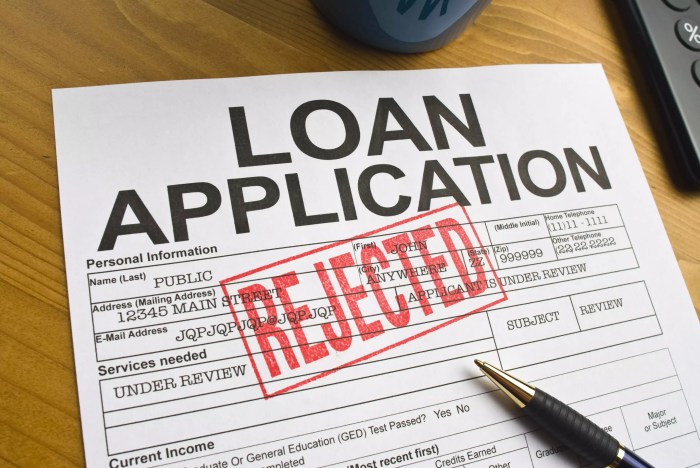
When applying for a loan, accurate financial documentation is crucial. Understanding the intersection of accounting principles and auditing processes can significantly improve the chances of securing a loan. This knowledge not only helps in preparing the necessary documents but also ensures that the information presented is valid and trustworthy.Accounting principles guide the preparation of financial statements and documentation required for loan applications.
These principles provide a framework for recording, classifying, and summarizing financial information, which lenders rely on to assess the creditworthiness of applicants. Key accounting concepts such as the accrual basis of accounting, consistency, and materiality must be adhered to when compiling financial documents for loan consideration. This ensures that the financial information reflects a true and fair view of the applicant’s financial position.
Role of Audits in Validating Financial Information
Audits play a significant role in the loan application process, as they serve to validate the financial information provided. A thorough audit ensures that the financial documents are accurate, complete, and comply with relevant accounting standards. Lenders often request audited financial statements as a part of the loan application process to mitigate risk and verify the authenticity of the information.
An external audit conducted by a certified public accountant (CPA) assesses the financial records and provides an independent opinion. This opinion can enhance the credibility of the information presented to lenders and can be a decisive factor in loan approval. For example, a company that undergoes an annual independent audit is more likely to be viewed favorably by banks, as it demonstrates a commitment to transparency and accuracy in financial reporting.
Common Accounting Errors Affecting Loan Approvals
Understanding common accounting errors can help applicants avoid pitfalls that may negatively impact loan approvals. Below is a table outlining these errors alongside suggestions for how to avoid them.
| Common Accounting Errors | Impact on Loan Approval | How to Avoid |
|---|---|---|
| Incorrect Revenue Recognition | Inflated income can mislead lenders. | Follow the revenue recognition principle by recording income when earned, not when received. |
| Inconsistent Accounting Practices | Confuses lenders and raises red flags. | Maintain consistent accounting methods and document any changes. |
| Failure to Reconcile Accounts | Errors may go unnoticed, leading to inaccurate financial statements. | Regularly reconcile bank statements with financial records. |
| Omitting Expenses | Understated expenses can inflate net income. | Carefully track all expenses to ensure accurate financial reporting. |
| Ignoring Depreciation | Can misrepresent asset values and net income. | Employ proper depreciation methods to reflect the true value of assets. |
Accurate accounting practices and thorough audits can significantly enhance the likelihood of loan approval. By understanding and adhering to the principles of accounting and ensuring that financial information is validated through audits, applicants can present a compelling case to potential lenders.
Final Review
In summary, navigating the world of loan applications online can be a straightforward experience if you’re well prepared. By understanding the requirements, managing your finances wisely, and avoiding common pitfalls, you can enhance your chances of approval. Take these insights to heart, and you’ll be well on your way to securing the financial assistance you need.
Clarifying Questions
What documents do I need for an online loan application?
You typically need identification, proof of income, bank statements, and details of any outstanding debts.
How long does it take to get approved for an online loan?
Approval can be instant or take a few days, depending on the lender’s process and your application details.
Can I apply for a loan online with bad credit?
Yes, some lenders specialize in loans for individuals with bad credit, though terms may be less favorable.
What should I do if my online loan application is denied?
Review the reasons for denial, improve your financial standing if possible, and consider applying with a co-signer or a different lender.
Is it safe to apply for a loan online?
Yes, as long as you are using a reputable lender with secure websites that protect your personal information.


